The Most Common Scams in Ireland: How to Stay Safe This Year
This blog is for marketing purposes only and does not constitute advice.
Did you get a text from a delivery service today? An email from an unknown lawyer? Or a strange phone call from an international number? If so, chances are you’ve encountered an attempted scam.
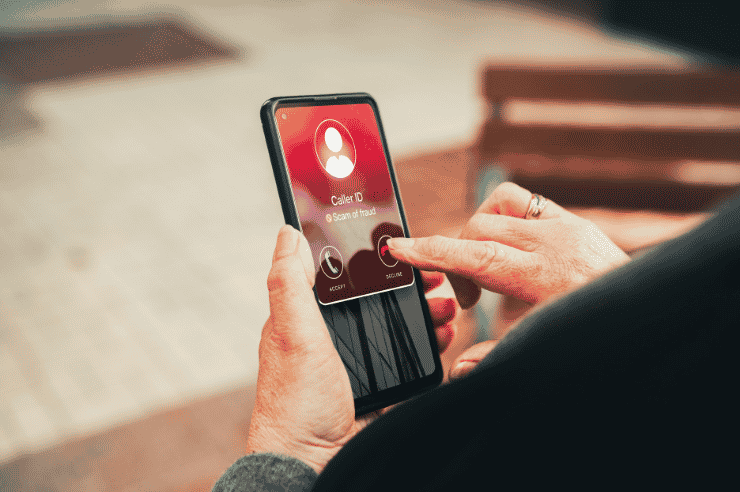
Unfortunately, scams have become part of everyday life in recent years. According to FraudSMART, more than three-quarters of Irish adults are targeted by scam texts, emails, phone calls or online content at least once a month. And as we get more savvy, the scams are becoming more sophisticated.
The good news is that most of this type of fraudulent activity falls into familiar patterns and categories. Here are some of the most common scams Irish consumers should watch out for — and how to protect yourself against them.
The urgent text message
If you have a mobile phone, you’ll probably recognise this scam immediately.
It usually begins with a simple text, telling you that your parcel can’t be delivered, your bank account has been suspended, or the Revenue Commissioners have a refund waiting for you.

The details vary, but the purpose of these phishing scams is usually the same: the fraudsters want you to click a link or provide your bank details. This is how they access your information and often your money. Here are some of the ways you can protect yourself:
● Never click on a link on an unexpected text message.
● Visit websites directly through your browser instead.
● Verify the request using a phone number from the organisation’s official website.
When in doubt, pause and take your time. Most scams include a sense of urgency that puts you under pressure to make unwise decisions. Moving slowly can help you analyse the situation better.
The too-good-to-be-true investment
We all like an opportunity to make some extra money, but if an investment promises big returns fast, be wary.
Recent figures from An Garda Síochána show an increase of over 20% in reports of investment fraud in 2025 compared to 2024. That period saw more than €20 million in losses, ranging from €250 on a “crypto scam” to tens of thousands of euros in elaborate schemes. Many of the victims were ordinary people — often middle-aged to elderly individuals — who just wanted to build a better financial future for their retirement.
Some fraudsters are using social media to target users with ads for state-backed or other seemingly legitimate investments using fake, AI-generated images or videos of high-profile advisors, politicians, and businesspeople to generate trust. The Banking & Payments Federation Ireland advises that we:
● Never share personal or banking details with unknown companies or individuals.
● Apply particular caution about online adverts and videos.
● Use Central Bank Registers and Scamchecker.ie to help verify a website before engaging with a company.
The online romance scam
Dating online is now a common part of modern life, but it can come with some risks.
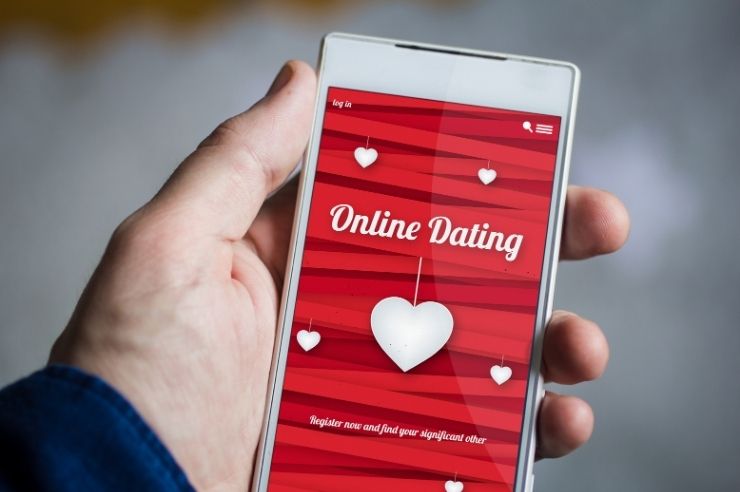
Romance scams are among the most dangerous types of fraud, because they often lead to emotional harm as well as significant financial loss.
They typically begin with online contact — on a dating site or a social media platform — during which the scammer will spend time building trust. Once a genuine connection has been established, they usually start to ask for money.
In Ireland, over €7 million has been stolen from victims of romance fraud in the years 2019-2024, with An Garda Síochána reporting that the average financial loss was €28,500, with some victims losing up to €450,000. Here’s how they recommend we protect ourselves:
● Use a reputable dating site and communicate on its messaging platform.
● Use Google Reverse Image Search to verify profile photos as genuine.
● Be careful of what personal details you share and never, ever send money or your banking details to someone you have met online.
The fake bank call
Receiving a phone call from your bank out of the blue can be alarming. The number might look right, the conversation sounds familiar, and the details they quote are correct, but quite often, it’s a criminal on the line.
This type of scam usually involves telling you that your account has been compromised, suspicious activity has occurred, or someone has already stolen your funds. The purpose is to sound convincing so that you will hand over your passcode, PIN, or activation codes.
An Post Money says: “A bank will never call, email, or text you asking for your bank account or card details, user ID, PIN number, internet password.”
They also point out that banks will never send you an SMS with a clickable link to input your details. “Never share authorisation codes that have been sent to you by text with anyone, even if that person says they’re calling from your bank.”
If in doubt, visit your bank’s actual website and contact them using the methods listed there. If fraud has already occurred, ring your bank as fast as possible on one of their emergency numbers.
The bargain that never arrives
Have you ordered a dress, shirt, or handbag online and spent weeks waiting for it, only to find that there’s no package and no response from the company? If so, you’re probably among the thousands of people that have fallen victim to an online purchase scam.

This is now the most common type of fraud in Ireland, according to the Central Bank of Ireland. It often involves bargain prices and scam sites that are designed to mimic legitimate businesses, using social media advertising campaigns and AI-generated content that looks and sounds real. Some of them are even using handles and images similar to existing Irish businesses and influencers to create a sense of trust.
Citizens Information recommends that consumers protect themselves by taking certain steps:
- Always check website security by looking for the closed padlock symbol and ‘https://’ in the search bar
- Verify contact details, avoiding websites with only a contact form
- Check for online reviews from reputable sources like Trustpilot
Stay informed and stay vigilant
Unfortunately, scams are a part of modern life, but that doesn’t mean it’s inevitable that you will become a victim. The best way to protect yourself is to stay up to date with the most modern methods of approach so you can recognise attempted fraud when you see it.
FraudSMART (run by the Banking & Payments Federation Ireland and their member banks) is a good place to start learning about fraud prevention, with a useful scam-checking service. An Garda Síochána has a detailed list of fraud FAQs, as well as regular news releases aimed at increasing scam awareness. The Competition and Consumer Protection Commission (CCPC) outlines more scams that you should be aware of, including rental scams, pyramid schemes, and fake ticket sales.
And remember, if in doubt, reach out to a human. Customer service teams like ours here at An Post Insurance are always happy to help reassure you and keep you safe online.
One Direct (Ireland) Limited, trading as An Post Insurance is regulated by the Central Bank of Ireland. One Direct (Ireland) Limited is a wholly owned subsidiary of An Post.
All the information on this blog is published in good faith and for general information purpose only. While An Post Insurance makes every effort to ensure that the information appearing on this blog is accurate and complete, it does not make any warranties about the completeness, reliability or accuracy of this information, whether express or implied, including but not limited to implied warranties of merchantability, fitness for a particular purpose or non-infringement. Any action you take upon the information you find on this blog is strictly at your own risk. An Post Insurance will not be liable for any direct, indirect or consequential losses and/or damages in connection with the use of, or action taken in reliance on information contained in our blog.
Through this website you are able to link to other websites which are not under the control of An Post Insurance. We have no control over the nature, content and availability of those sites and if you click on links to these websites you will be subject to the terms and conditions of those sites. The inclusion of any links does not necessarily imply a recommendation or endorse the views expressed within them.







8a73af6f54054f16b15062043cb66438.jpg?sfvrsn=bc76e041_2)
-(1).png?sfvrsn=31f68218_2)
.png?sfvrsn=ba780c52_2)



.png?sfvrsn=debd4097_2)