Home Security Myths Busted: Expert Tips to Protect Your Home in Ireland
#Ad. All of the insights came from the experts at Action24.
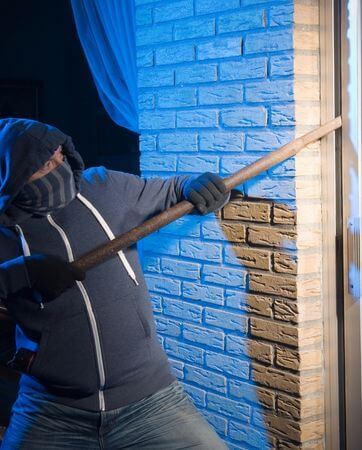
What does your nightly security routine look like? If it’s just locking your front door and hoping for the best, you’re not alone. A lot of us still think that burglaries are something that happen to someone else, under the cover of darkness, in high-crime areas.
The reality is a little different.
Last year, there were 8,469 reports of burglaries and related offences in Ireland. Some of these took place in daytime, others at night. Some were rural, others were in cities. All were devastating for the victims involved.
This means that householders need to be smart about how they protect their home. To help separate the real risks from the common myths, we asked Alan O'Donovan of Action24 to share his expert advice on improving home security in Ireland.
Myth 1: Most burglaries happen at night
The truth is, not necessarily.
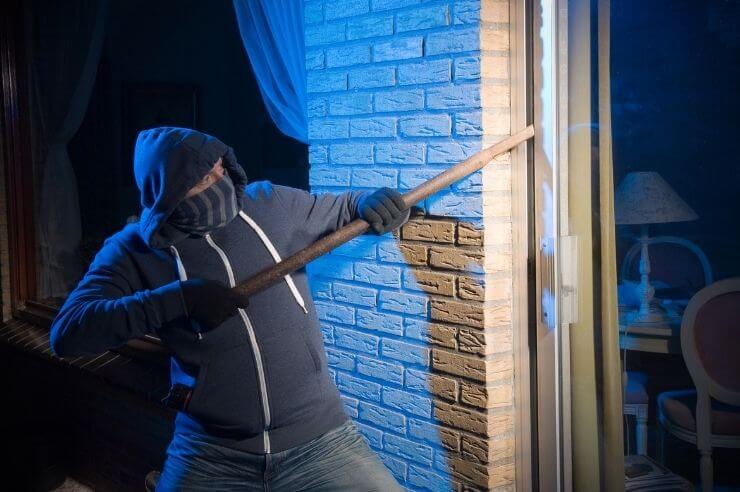
As Alan explains, “While winter nights are high-risk, especially between 5pm and 11pm, many burglaries occur during the day when people are at work.”
That’s because the ‘night’ can start as early as 4pm on a dark, cloudy day in December. That means your house could be vulnerable while you’re still in the office, collecting kids from school, or running errands.
As a result, you should be extra vigilant throughout the day, not just when you go to bed. This is partially what led An Garda Síochána to introduce Operation Thor, which aims to reduce this type of crime during the winter months. Their advice is simple: “Lock up and light up”.
Myth 2: I don’t need an alarm if I live in a safe area
Yes, you probably do.
One of the most common assumptions is that alarms are mainly for homes in so-called high-crime areas. Alan takes a different view. In his experience, “Living in a low-crime area can actually make you a target. Burglars often travel to ‘safe’, affluent areas because the reward is higher.”
When you think about it, this makes sense. A house with a nice car outside, a big TV visible in the window, and jewellery on the windowsill will be very attractive to a would-be burglar, particularly if there’s a possibility the back door or a rear window is unlocked — almost 1 in 4 summertime burglaries involve entry through an unsecured access point.
The best protection involves simple steps: Lock all doors and windows, store valuables out of sight where possible, and install a reliable home alarm. The latter part might even help you reduce the cost of your home insurance policy.
Myth 3: My smart doorbell works the same as an alarm
No, they’re similar, but not the same.
Alan describes smart doorbells and DIY devices as useful for “front-line visibility and package theft.” They’re good at showing you what’s happening at your front door, but they’re mainly reactive, i.e., they tell you after somebody arrives.
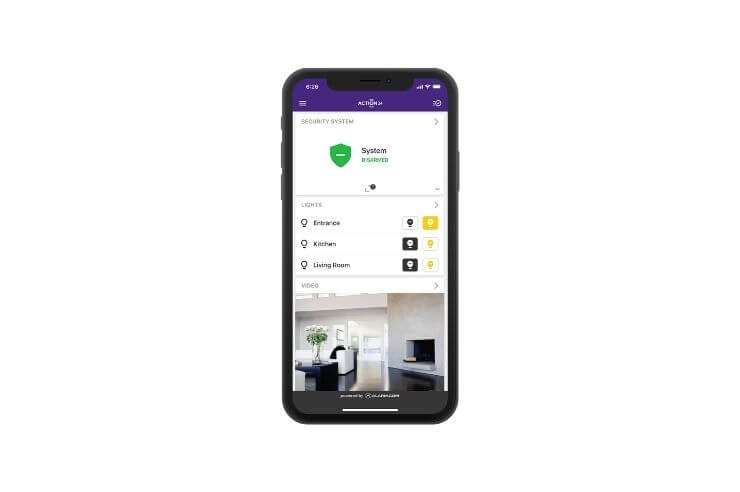
A monitored alarm system is different. It’s designed to trigger a response, even if you’re asleep, away from home, or simply not looking at your phone. Action24’s monitored systems provide 24/7 monitoring, app alerts, and immediate contact with nominated keyholders, with access to emergency services where needed.
That’s why the two systems could be seen as complementary. A smart doorbell can add visibility. A monitored alarm provides a stronger safety net.
Both can serve as a visual deterrent when they’re installed securely, too. Branded external bell boxes and window stickers might just give a potential burglar enough pause for thought at your front door. Hopefully, he or she will decide it’s not worth it and move on.
Myth 4: If I leave lights on, burglars won’t break in
Sure it helps, but only if it looks natural.
A single hall light left on for three days straight can have the opposite effect to the one intended. It looks like there’s nobody home to switch it off. That’s why Garda advice focuses on timer switches and smart apps to make lighting patterns look realistic. They also recommend asking someone you trust to check the property at different times of the day if you’re going to be away for a lengthy period.
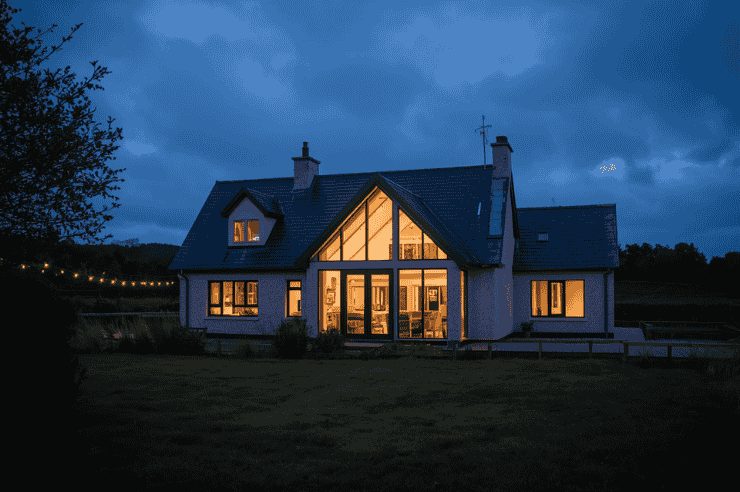
And while we’re talking about holidays, let’s not tell the world your house is unoccupied. Posting updates online or sharing beach-side photos while you’re away is what Alan calls “a digital sign that your home is empty.” Social media has been listed as a factor in some recent high-profile burglaries of famous footballers’ homes.
What’s the hurry? Wait until you’re safely back behind your front door to update your friends and family on your adventures abroad.
Myth 5: I work from home, so my home is safe
Not always.
Working from home can create a false sense of security. As Alan points out, people often leave doors unlocked or alarms unset because they’re “only upstairs”. But the reality is that being physically present does not mean every access point is secure, particularly if you’re on a call or focused on work.

Many modern alarms come with a function that allows users to set a perimeter alarm. This means the homeowner can wander freely around the house but will be alerted if someone tries to enter from the outside. It works great at nighttime too, when pets or children could otherwise set off an internal alarm.
It’s a small price to pay for extra protection and valuable peace of mind.
Five simple steps to improve your home security today
The good news is that improving your home security doesn’t have to be complicated. In fact, some of the most effective changes are small, practical, and cheap. Here’s a short list to get you started.
1. Lock up properly, every time
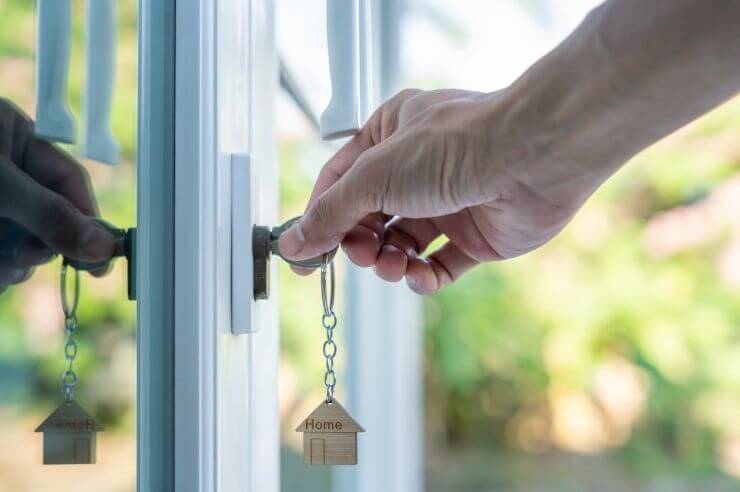
It might sound obvious, but it’s far too easy to forget to fully close the front door, leave a bathroom window open, or pop a key under the mat for a visiting neighbour. All of these small errors add up to a major risk of burglary. Take an extra minute before you leave to check that windows, doors, and access points are securely sealed.
2. Install an alarm, and use it

You have a car alarm, so why wouldn’t you have one for the most important (and most expensive) asset in your life? If possible, invest in a good quality alarm system, ideally with useful features such as remote access and perimeter protection. Once installed, make sure you get into the habit of setting it. An unused alarm is just an expensive ornament and your insurer may apply terms if you are not compliant with their alarm requirements.
3. Make your home looks lived-in
If you're heading away, avoid obvious signs that the house is empty. Use timer switches or smart lighting to create realistic activity patterns and hold off on posting holiday photos until you’re back. If possible, ask a trusted friend or neighbour to remove unopened post or even pop inside and adjust the curtains or change light settings.
4. Secure all easy entry points
Windows and rear access points are often the most vulnerable parts of a house. Fit window locks where needed, avoid leaving windows open when you’re out, and make sure your front and rear doors have modern, multi-point locking mechanisms. Inexpensive additions like a chain or letterbox cover or cage can also help.
Unfortunately, there’s only so much we can do to protect our homes; sometimes crime comes calling anyway. If that happens, you’ll want to know you’re covered for any loss and damage you might suffer. The best way to do this is to choose a comprehensive home insurance policy that comes with added benefits such as replacement locks and home emergency assistance.
If you’re an existing An Post Insurance customer with a home insurance policy, we could help you make your home more secure with a great value offer from Action24. The reduced rate includes:
● A 7-Sensor Alarm System for €0 (fully installed)
● 50% off additional sensors and smart devices
● Monthly fee from €29.95
The monthly fee includes 24/7 monitoring & maintenance (subject to a 36-month fixed term contract) and will depend on the elements included in your alarm system.
Get in touch with us now for a Home Insurance quote. We care about protecting what matters most to you — and that starts with your home.
One Direct (Ireland) Limited, trading as An Post Insurance is regulated by the Central Bank of Ireland. One Direct (Ireland) Limited is a wholly owned subsidiary of An Post.
All the information on this blog is published in good faith and for general information purpose only. While An Post Insurance makes every effort to ensure that the information appearing on this blog is accurate and complete, it does not make any warranties about the completeness, reliability or accuracy of this information, whether express or implied, including but not limited to implied warranties of merchantability, fitness for a particular purpose or non-infringement. Any action you take upon the information you find on this blog is strictly at your own risk. An Post Insurance will not be liable for any direct, indirect or consequential losses and/or damages in connection with the use of, or action taken in reliance on information contained in our blog.
Through this website you are able to link to other websites which are not under the control of An Post Insurance. We have no control over the nature, content and availability of those sites and if you click on links to these websites you will be subject to the terms and conditions of those sites. The inclusion of any links does not necessarily imply a recommendation or endorse the views expressed within them.







8a73af6f54054f16b15062043cb66438.jpg?sfvrsn=bc76e041_2)
-(1).png?sfvrsn=31f68218_2)
.png?sfvrsn=ba780c52_2)

.png?sfvrsn=debd4097_2)