The Annual Car Check-Up: A Simple Checklist
If you only think about your car when the NCT is due or a warning light appears, you're not alone. However, setting aside some time for a simple car check-up can help you spot small issues before they become expensive repairs. An annual car check-up won't replace a professional service, but it can help you save money, improve reliability and give you confidence that your vehicle is in good shape.
The reality is that tyres, batteries, lights and fluids often show early warning signs long before a breakdown occurs. A quick review can help you catch these issues early and avoid unexpected costs later.
What should be included in an annual car check-up?

Think of an annual car check-up as a health screening for your vehicle. You're looking for signs of wear and tear that may have developed gradually over the previous 12 months.
Start with your tyres. They are the only part of your car that regularly makes contact with the road, yet they're often overlooked until replacement becomes unavoidable. Check the tread depth, inspect for uneven wear and look for any cuts, bulges or damage. In Ireland, the legal minimum tread depth is 1.6mm, although many road safety experts recommend replacing tyres before they reach that limit.
Next, check your lights. Walk around the vehicle and test your headlights, brake lights, indicators and reversing lights. A blown bulb is usually inexpensive to replace, but driving with faulty lights can affect visibility and make it harder for other road users to see you.
Open the bonnet and inspect fluid levels. Engine oil, coolant, brake fluid and screen wash all play important roles in keeping your vehicle operating efficiently. If levels appear low or you notice leaks, it's worth arranging a professional inspection.
The battery deserves attention too. Most car batteries gradually lose performance over time, particularly after some harsh winters. If you've noticed slow engine starts, flickering dashboard lights or electrical issues, your battery may be approaching the end of its life.
Are you overlooking the parts you never see?
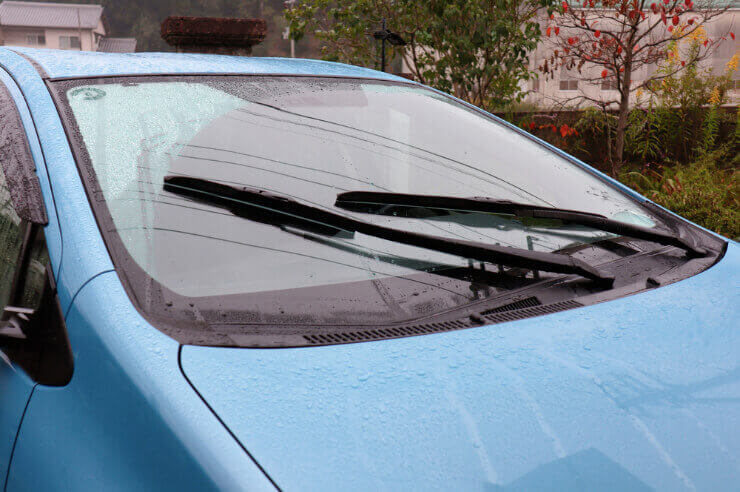
One of the biggest mistakes people can make with their cars is focusing only on what they can easily spot.
Windscreen wipers, for example, often deteriorate gradually. You may not notice how ineffective they've become until you're driving through heavy rain on a dark winter evening. If your wipers leave streaks, squeak or miss sections of the windscreen, replacement is usually a quick and inexpensive fix.
It's also worth paying attention to your brakes. While most drivers won't inspect brake components themselves, they can look out for warning signs such as unusual noises, vibrations or increased stopping distances. Any concerns should be checked by a qualified mechanic as soon as possible.
Why an annual check-up could save you money
Many vehicle repairs become expensive because minor problems go unnoticed for too long.
A tyre that is slightly underinflated may wear unevenly and need replacing sooner. A small coolant leak could develop into a larger engine issue. Worn wiper blades can reduce visibility and potentially damage your windscreen.
Consider a driver who notices a slight vibration while driving but ignores it for several months. What may have started as a wheel alignment issue could eventually lead to premature tyre wear, meaning four tyres need replacing instead of one simple adjustment.
Small preventative actions often cost far less than major repairs.
When is the best time to carry out an annual car check-up?

For many motorists, early autumn is an ideal time.
The summer holiday season is over, and winter conditions have not yet arrived. Completing a check-up before colder temperatures, heavy rain and darker evenings become part of daily driving, can help reduce the likelihood of seasonal breakdowns.
If your vehicle is due an NCT within the next six months, carrying out a check-up beforehand may also highlight issues that can be addressed before test day.
What documents should you review at the same time?
Your annual car check-up shouldn't focus solely on the vehicle itself.
Take a few minutes to review important motoring documents, including your car insurance renewal, NCT certificate, vehicle tax and service history records. Having these organised in one place makes it easier to keep track of upcoming costs and deadlines.
Service records can also be valuable if you decide to sell your vehicle in the future, as buyers often look for evidence that a car has been properly maintained.
Is an annual check-up enough?
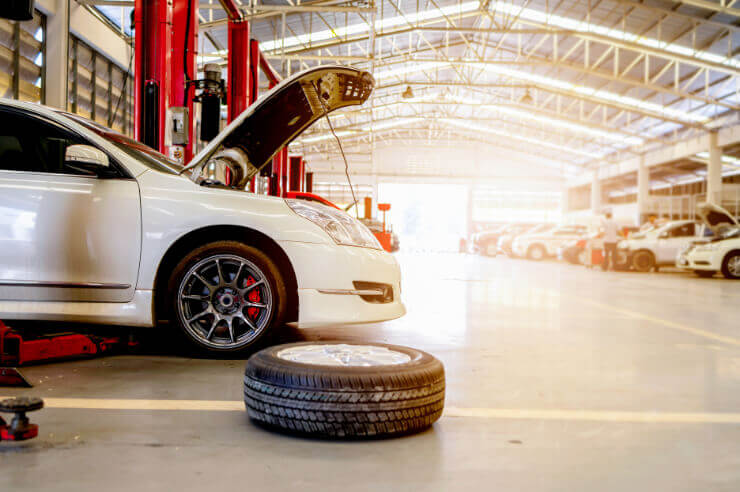
An annual review is a useful habit, but it shouldn't replace regular maintenance throughout the year.
Tyre pressures, fluid levels and warning lights should still be monitored regularly. Think of the annual check-up as a yearly reset, an opportunity to step back, assess your vehicle's overall condition and plan for any maintenance that may be needed.
Looking after your car isn't just about tyres, oil and servicing. Once you've ticked off your annual checks, it can be worth reviewing your insurance cover too, just to make sure it still meets your needs.
One Direct (Ireland) Limited, trading as An Post Insurance is regulated by the Central Bank of Ireland. One Direct (Ireland) Limited is a wholly owned subsidiary of An Post.
All the information on this blog is published in good faith and for general information purpose only. While An Post Insurance makes every effort to ensure that the information appearing on this blog is accurate and complete, it does not make any warranties about the completeness, reliability or accuracy of this information, whether express or implied, including but not limited to implied warranties of merchantability, fitness for a particular purpose or non-infringement. Any action you take upon the information you find on this blog is strictly at your own risk. An Post Insurance will not be liable for any direct, indirect or consequential losses and/or damages in connection with the use of, or action taken in reliance on information contained in our blog.
Through this website you are able to link to other websites which are not under the control of An Post Insurance. We have no control over the nature, content and availability of those sites and if you click on links to these websites you will be subject to the terms and conditions of those sites. The inclusion of any links does not necessarily imply a recommendation or endorse the views expressed within them.






8a73af6f54054f16b15062043cb66438.jpg?sfvrsn=bc76e041_2)
-(1).png?sfvrsn=31f68218_2)
.png?sfvrsn=ba780c52_2)


.png?sfvrsn=debd4097_2)